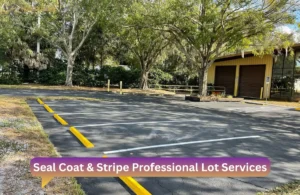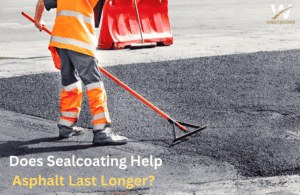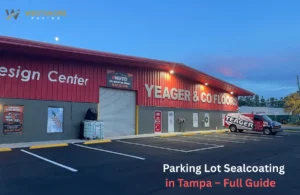

A restaurant parking lot catches everything — cars idling for pick-up, grease dripping from engines, food spills tracked in, delivery trucks rolling through daily, and Tampa’s sun and rain beating down nonstop. When the surface starts looking dull, lines fade, or small cracks open, it doesn’t just hurt the look — customers hesitate, reviews mention it, and the whole place can feel less inviting. We’ve sealed and refreshed lots for restaurants, cafes, food trucks, and take-out spots all across Tampa Bay. This page comes straight from those jobs: what professional restaurant parking lot sealcoating really means, when it’s worth doing, how we handle it with almost no downtime, and what kind of finish holds up in our weather.
Why Restaurant Lots Wear Out Faster
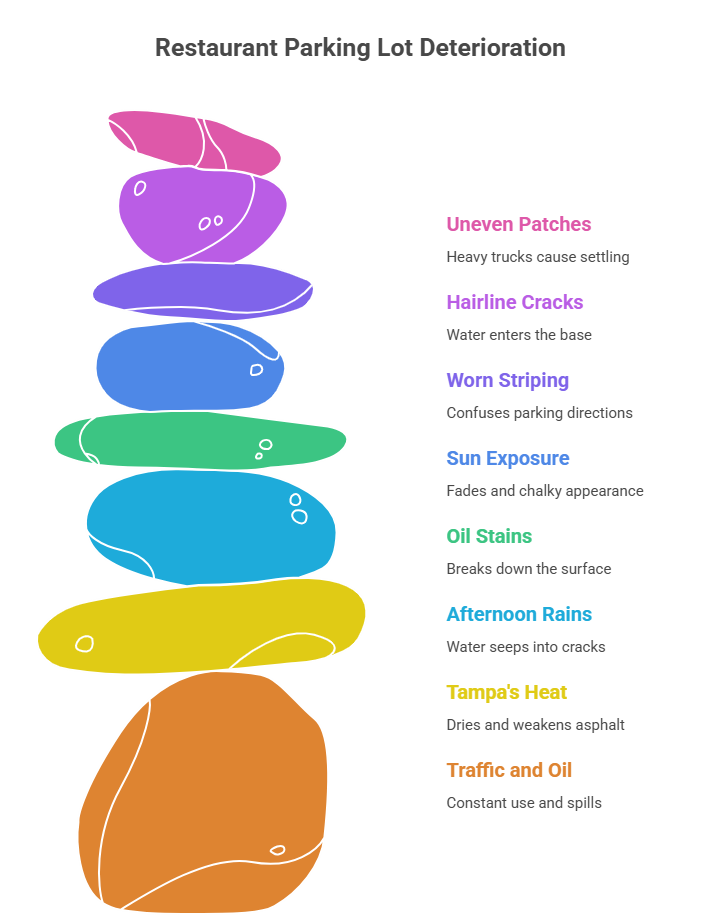
Restaurants aren’t like quiet office lots. They get constant traffic — lunch rush, dinner rush, late-night orders — plus extra oil from delivery vans and grease from kitchen exhaust. Tampa’s heat bakes the asphalt dry, and our daily afternoon rains push water into any tiny crack.
Common things we see on restaurant parking lots:
- Oil and grease stains soaking deep and breaking down the surface
- Black fading to gray or chalky from sun exposure
- Striping so worn customers can’t tell where to park
- Hairline cracks letting rainwater under the base
- Uneven patches from heavy trucks or settling
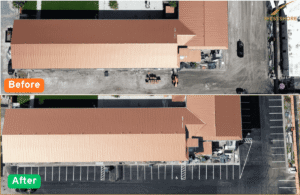
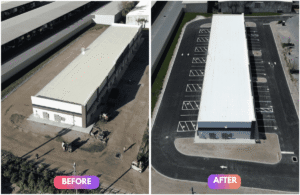
A fresh sealcoat fixes those problems fast and makes the lot look busy and well-cared-for — people notice and feel better about stopping.
When Sealcoating Is the Right Move
Sealcoating is protection, not a heavy repair. It works best when the lot is still structurally okay but starting to show wear.
Signs it’s time for restaurant parking lot sealcoating in Tampa:
- Surface turning gray or “washed out”
- Oil stains soaking in instead of sitting on top
- Lines blurry or almost invisible
- Small hairline cracks appearing
- Lot is 2–4 years old and never sealed
If you’ve got deep potholes, large alligator cracking, or soft spots, we’ll usually suggest patching or milling first. We always walk the lot and tell you straight — no sense putting sealcoat on a base that’s already failing.
How We Seal a Restaurant Parking Lot in Tampa
We schedule these jobs around your busiest times — early mornings before open, late nights after close, or slower weekdays — so you lose almost no business.
Normal steps we follow:
- Site check — Walk the lot, mark oil/grease spots and cracks, check drainage.
- Clean everything — Power wash, treat oil and food stains, blow off dirt and loose bits.
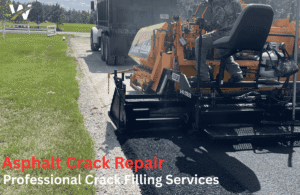
- Crack filling (if needed) — Fill wider cracks so water can’t sneak under the sealcoat.
- Apply sealcoat — Two coats of commercial-grade sealcoat (coal-tar emulsion with sand for grip).
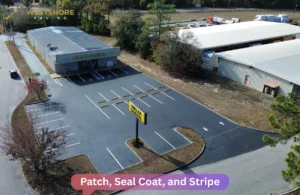
- Stripe and mark — Repaint spaces, arrows, handicap spots, fire lanes — whatever your lot needs.
- Cure and reopen — Let it set, clean up, back to normal service.
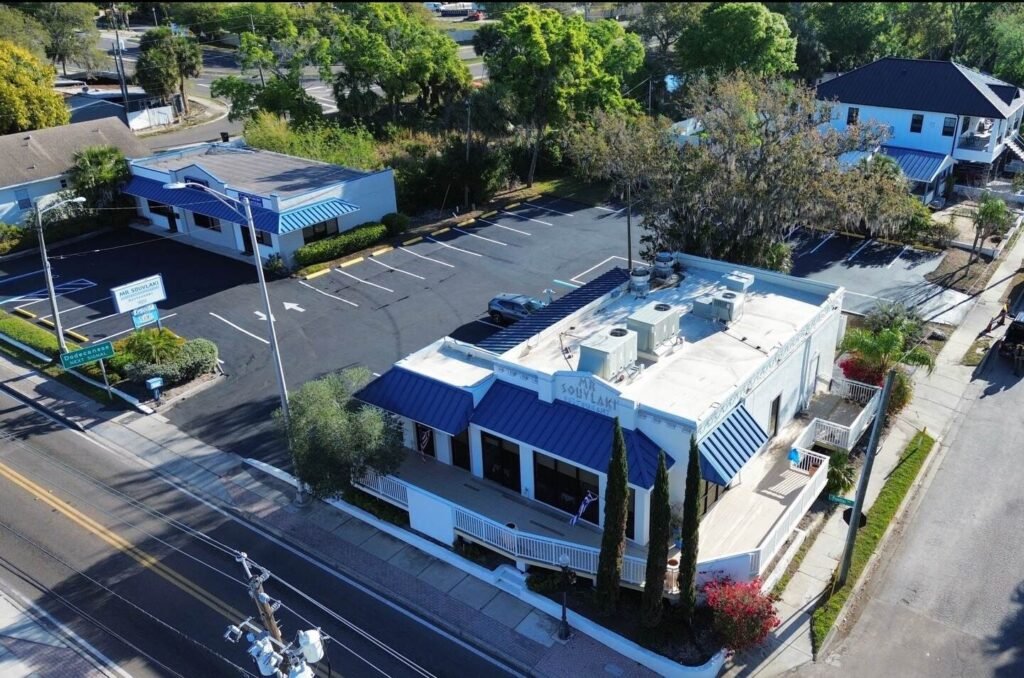
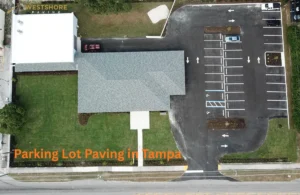
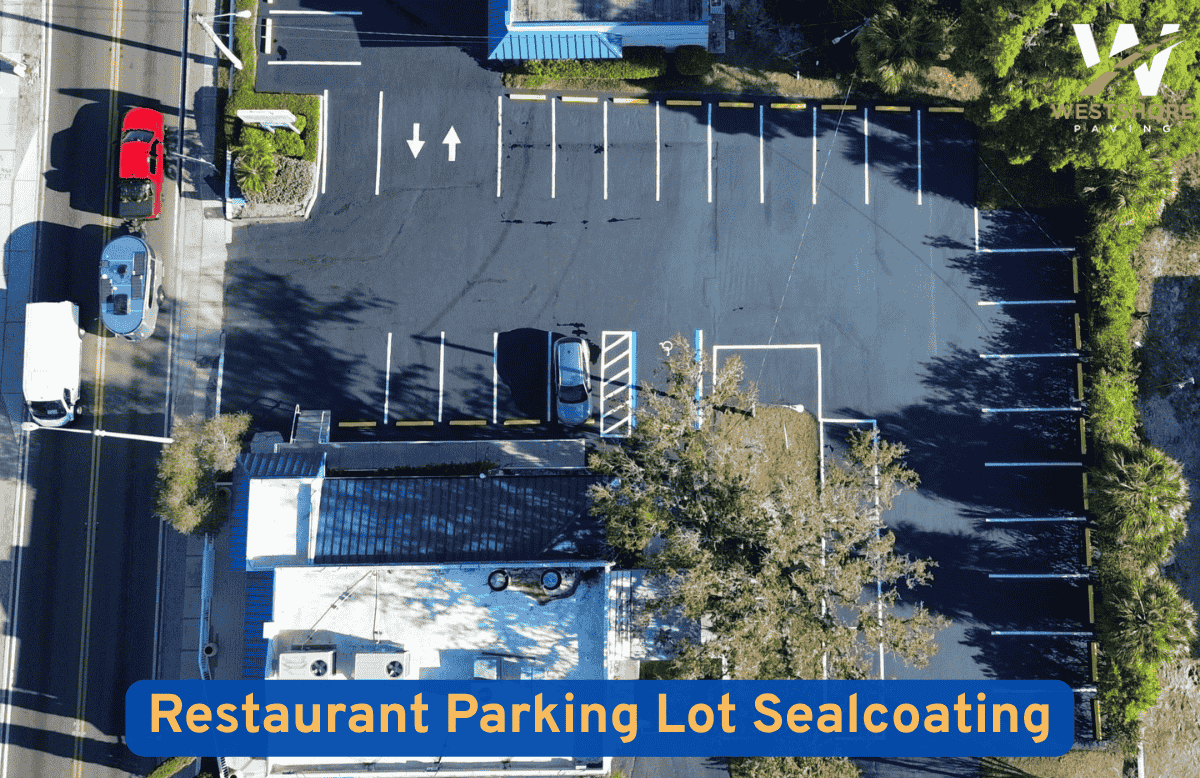
We just finished one for a restaurant in the area — cleaned, filled cracks, sealed twice, and striped fresh. Done in three days, restaurant stayed open the whole time. Owner said customers even commented on how much cleaner it looked.
Tampa Weather & Sealcoating Timing for Restaurants
We only schedule when pavement temps stay above 50°F and there’s no rain for at least 48 hours. Sealcoat needs dry time to cure and stick right. Spring and fall are usually the best windows. Summer heat can cause bubbling if we’re not careful, and winter nights sometimes dip too low.
The National Asphalt Pavement Association recommends sealing every 2–4 years in hot, sunny climates like Tampa. For restaurants with heavy traffic and oil exposure, we often suggest closer to every 2 years to keep it protected.
Benefits Restaurants Actually See
After sealcoating, owners and customers usually notice:
- Lot looks black and fresh again — better first impression
- Water beads up and runs off instead of soaking in
- Oil/grease stains clean off easier
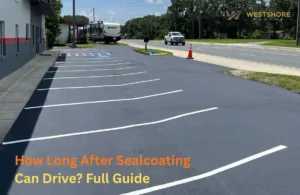
- Lines are bright and clear — safer, easier parking
- Overall vibe feels cleaner and more professional
For restaurants, a good-looking lot can make people more likely to pull in — small thing, big difference.
Why West Shore Paving for Restaurant Lots
We know restaurants can’t close for long. We work early mornings, late nights, or slower days and use commercial-grade sealcoat with sand additive for grip — it holds up to heat, traffic, and oil better than thin store-bought stuff. Twenty-two years in Tampa Bay means we know how our weather and soil affect pavement. Restaurant owners keep calling us back because we finish fast, stay on schedule, and leave the place spotless.
Frequently Asked Questions (FAQs)
How long does sealcoating take for a restaurant parking lot in Tampa? Answer: Usually 2–4 days. We work around your hours so you stay open.
Can a restaurant stay open during sealcoating? Answer: Yes. We work in sections, early mornings, or after closing when needed.
Does sealcoating fix cracks? Answer: It helps stop them from spreading, but we fill wider cracks first before sealing.
How soon can cars use the lot after sealcoating? Answer: Foot traffic in 24 hours, vehicles in 48–72 hours depending on thickness.
Is sealcoating worth it for a busy restaurant lot? Answer: Yes — it protects against oil, water, and sun, and keeps the lot looking clean and professional.
How do we get started? Answer: Call or text 352-587-4016. We’ll come out and give you a clear plan.
Ready to Refresh Your Restaurant Lot?
Sealcoating keeps asphalt protected and looking sharp — especially for restaurants in Tampa. West Shore Paving has been doing this work for twenty-two years. If your lot is fading or starting to crack, reach out at 352-587-4016 or jacob@westshorepaving.com. We’ll come out, take a look, and tell you honestly what it needs. Let’s get your parking lot working better.