
Asphalt is one of the toughest driveway and parking lot materials out there. But tough doesn’t mean invincible. Left without any care, even a great asphalt surface will start showing its age faster than it should — especially here in Tampa where the sun is relentless and the rain comes down hard almost every afternoon in summer.
The good news? Maintaining asphalt isn’t complicated. It doesn’t require a lot of time or money. It just requires staying on top of a few simple things before small problems turn into expensive ones. We’ve been doing this for over 20 years across the Tampa Bay area, and these are the exact tips we give every single customer.
1. Sealcoat Before You Think You Need To
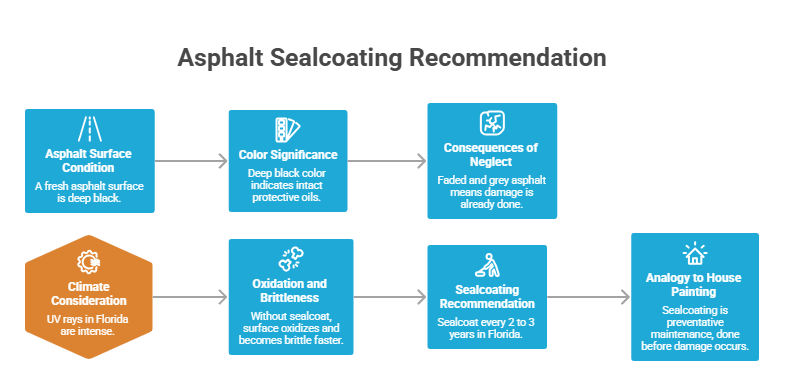
This is the one most people wait too long on. By the time your asphalt looks obviously faded and grey, the damage is already done. A fresh asphalt surface is deep black — and that color isn’t just cosmetic. It tells you the protective oils in the asphalt are still intact.
Here in Florida, we recommend sealcoating every 2 to 3 years. The UV rays here are intense, and without a protective sealcoat the surface oxidizes and becomes brittle much faster than it would in a cooler climate. Think of sealcoating the same way you think of painting the exterior of your house — you do it before things fall apart, not after.
Our asphalt sealcoating service is one of the most affordable things you can do to dramatically extend the life of your surface. Most customers are genuinely surprised by the difference a fresh coat makes.
2. Deal With Cracks Immediately — Not Eventually
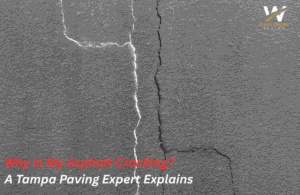
We get it. A small crack doesn’t feel urgent. But here’s the problem — water doesn’t care how small a crack is. It gets in, works its way down into the base, and over time causes the kind of damage that turns a simple repair into a full replacement.
In Florida this is especially true. We get heavy rain constantly, and that water has to go somewhere. If there are cracks in your surface, it’s going straight down into the base layer. By the time you see the surface sinking or breaking apart, the damage underneath is already significant.
Fill cracks as soon as you spot them. It’s a small job that costs very little. Ignoring it is how a minor fix becomes a major bill. We handle crack filling and sealing all the time for both residential driveways and commercial parking lots — and nine times out of ten the customers who call us early save themselves a lot of money compared to the ones who waited.
3. Fix Potholes Before They Spread
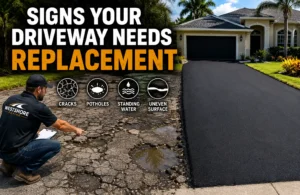
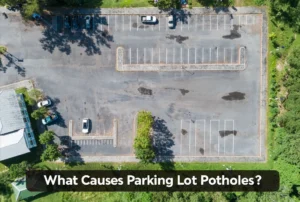
Potholes don’t stay small. What starts as a minor dip in the surface gets worse every time a car drives over it and every time it rains. The edges break down, the hole gets wider and deeper, and what could have been a simple patch turns into something much more involved.
If you’ve got a pothole forming — even a small one — get it patched. It’s a fast, affordable fix when caught early. Our asphalt patching service is designed to handle exactly this kind of thing quickly so you’re not dealing with a bigger problem down the road.
4. Keep the Edges Protected
This one gets overlooked a lot. The edges of your asphalt surface are the most vulnerable part — they don’t have support on the sides the way the middle does. Over time, cars driving right to the edge, water sitting along the border, and general wear all cause the edges to crack and crumble.
A few things that help: avoid driving right to the very edge when you can, make sure water drains away from the edges rather than pooling along them, and keep soil or grass from pushing up against the asphalt. Edge damage might look minor but it spreads inward over time if you leave it.
5. Watch Your Drainage
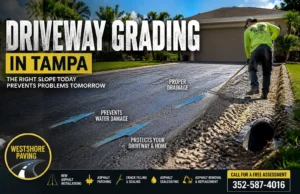
Standing water on an asphalt surface is never a good sign. If you notice puddles forming in the same spots after rain, that means the surface isn’t draining properly — and that water is putting constant pressure on the asphalt and the base underneath it.
Sometimes this is a grading issue that needs professional attention. Other times it’s as simple as clearing a blocked drain or adjusting where water flows off the property. Either way don’t ignore it. Water is the number one enemy of asphalt and giving it a chance to sit on or under your surface shortens its life significantly.
6. Clean Up Oil and Chemical Spills Fast
Oil, gasoline, and other vehicle fluids actually break down the asphalt binder — the material that holds everything together. Left sitting on the surface, they soften and weaken the asphalt over time.
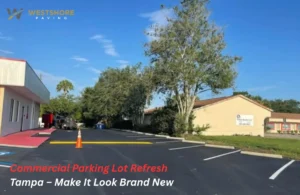
If you get a spill, clean it up as soon as possible. Kitty litter or an absorbent material works well for soaking up fresh oil before you wash the area down. It’s a small habit that makes a real difference over the years especially in commercial parking lots where vehicles are constantly coming and going.
7. Get a Professional Eye on It Once a Year
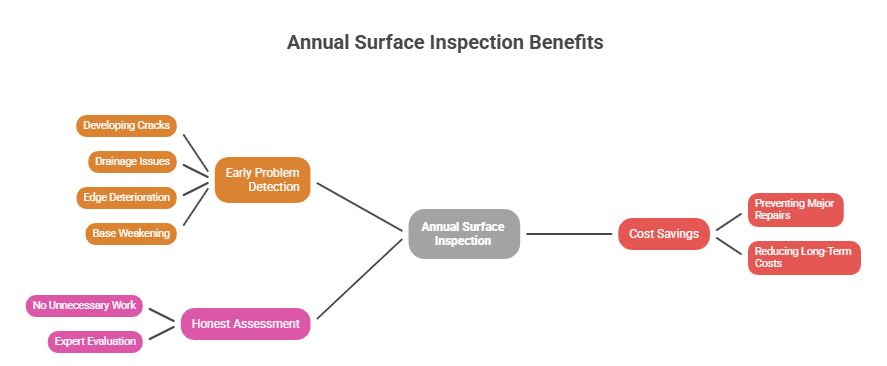
You don’t need major work done every year. But having someone take a proper look at your surface annually means problems get caught early — before they become expensive. A quick inspection can spot developing cracks, drainage issues, edge deterioration, or areas where the base might be weakening before any of it becomes visible from the street.
We’re always happy to come out and take a look. If everything is fine we’ll tell you that too — no pressure, no unnecessary work. Just an honest assessment from people who do this every day.
The Bottom Line
Asphalt maintenance really comes down to one thing — don’t wait. Stay on top of sealcoating, handle cracks and potholes early, keep water moving off the surface, and your asphalt will reward you with years of solid performance. Skip the maintenance and you’ll end up spending far more on repairs or full replacement than you ever would have spent keeping it up.
If you’re not sure where your surface stands or what it needs, we’re easy to reach.
📞 Call us at 352-587-4016 🌐 Request a free assessment here
Our services:
- Asphalt Sealcoating
- Crack Filling & Sealing
- Asphalt Patching
- New Asphalt Installations
- Asphalt Removal & Replacement
WestShore Paving — Family Owned & Operated | New Port Richey, FL | Serving All of Tampa Bay